
Learn how to handle workplace stress without burning out through practical strategies, healthy boundaries, emotional balance, and real-life stress management techniques.
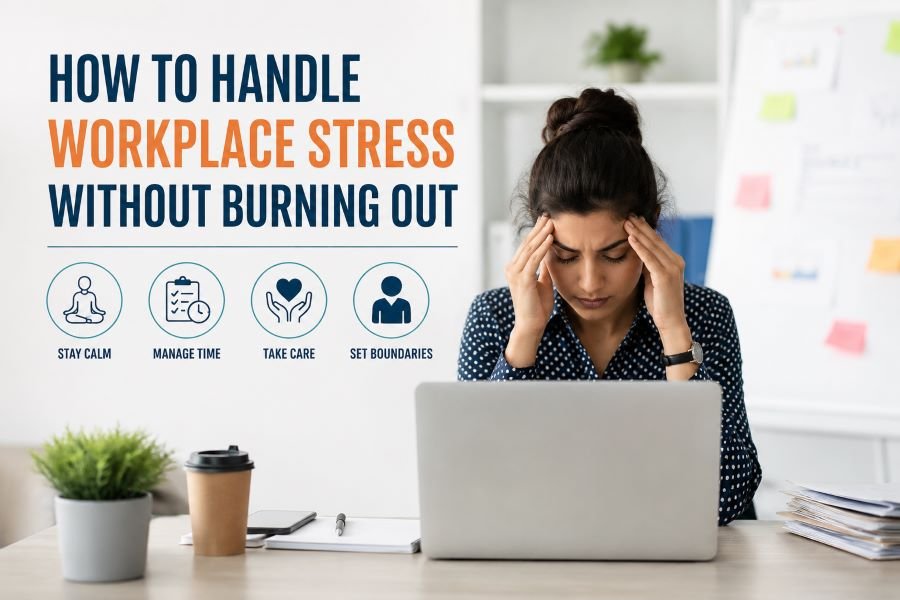
Modern work culture has changed a lot. Deadlines move faster, expectations keep rising, and many people silently carry stress every single day without even realizing how deeply it is affecting them. At first, workplace stress feels manageable. You drink more coffee, sleep a little less, and tell yourself that things will settle down soon. But if this pressure continues for months, it slowly turns into emotional exhaustion, frustration, anxiety, and eventually burnout.
The dangerous part is that burnout does not happen in one day. It builds quietly. A person may still look productive from the outside while feeling mentally drained from within.
The good news is that workplace stress can be handled before it damages your health, relationships, confidence, and peace of mind. You do not always need a perfect job to feel mentally stable. Sometimes small changes in habits, thinking patterns, and boundaries can completely change the way stress affects your life.
This article is not based only on theories. It comes from real-life observations, common human struggles, and practical methods that actually help people survive stressful work environments without losing themselves in the process.
Understanding the Difference Between Stress and Burnout
Stress and burnout are often treated as the same thing, but they are different.
Stress usually means your mind and body are under pressure. You may feel tired, worried, or overloaded, but you still have the motivation to keep going.
Burnout is deeper. It is when your emotional energy starts disappearing completely. You stop caring about work, feel disconnected from people, and even small tasks begin to feel heavy.
Common Signs of Workplace Stress
- Constant tiredness even after sleeping
- Irritability and frustration
- Difficulty concentrating
- Headaches or body pain
- Overthinking work after office hours
- Feeling pressure to always stay available
Common Signs of Burnout
- Emotional numbness
- Lack of motivation
- Feeling mentally exhausted every morning
- Increased negativity toward work
- Loss of confidence
- Social withdrawal
- Feeling trapped or hopeless
Recognizing these signs early is important because many people ignore them until their mental and physical health begin suffering seriously.
Why Workplace Stress Has Become So Common
Today, many workplaces reward overworking instead of balance. Employees often feel guilty for resting, taking leave, or saying no.
Some common reasons behind workplace stress include:
- Unrealistic deadlines
- Toxic management
- Job insecurity
- Long working hours
- Poor communication
- Lack of appreciation
- Office politics
- Constant digital connectivity
- Financial pressure
In many cases, stress is not caused by work alone. Personal responsibilities, family pressure, financial worries, and lack of sleep also increase emotional exhaustion.
That is why workplace stress should never be viewed as “weakness.” It is often the result of carrying too much for too long without proper recovery.
Stop Glorifying Constant Busyness
One of the biggest mistakes modern professionals make is believing that being constantly busy means being successful.
It does not.
A tired mind eventually becomes less creative, less focused, and more emotionally reactive. Working endlessly without recovery may increase output temporarily, but over time it reduces productivity and damages mental health.
Real productivity is not about working every minute. It is about working with clarity, energy, and emotional balance.
Sometimes the most productive thing a person can do is rest properly.

Learn to Set Healthy Boundaries
Many people burn out because they never create boundaries between work and personal life.
If your office can reach you anytime, your brain never truly relaxes.
Healthy boundaries do not mean avoiding responsibility. They simply protect your mental space.
Practical Boundaries That Actually Help
- Avoid checking office emails late at night
- Take proper lunch breaks
- Stop apologizing for taking leave
- Learn to say “I need some time to finish this properly”
- Avoid unnecessary workplace drama
- Separate work hours from family time
At first, setting boundaries may feel uncomfortable, especially for people who fear disappointing others. But without boundaries, stress slowly consumes emotional energy.
Your Body Feels Stress Before Your Mind Accepts It
Many people think stress exists only in the mind, but the body often notices it first.
You may experience:
- Muscle tension
- Digestive problems
- Poor sleep
- Constant fatigue
- Increased heart rate
- Low immunity
Ignoring these signs is dangerous.
The body is not designed to stay in survival mode continuously.
Simple physical care can reduce stress more than people expect:
- Regular walking
- Better sleep routine
- Drinking enough water
- Reducing excessive caffeine
- Stretching during work hours
- Eating balanced meals
These habits sound basic, but basic habits often create the biggest long-term improvements.
Do Not Carry Workplace Emotions Back Home Every Day
One unhealthy habit many professionals develop is mentally reliving office problems for hours after work ends.
A difficult conversation, criticism from a manager, or workplace conflict keeps replaying in the mind all evening.
Over time, this destroys emotional recovery.
Try creating a small mental transition between work and personal life.
For example:
- Take a short walk after work
- Listen to calming music
- Spend 20 minutes without screens
- Talk to family without discussing office problems immediately
- Practice deep breathing before sleeping
These small routines signal the brain that the stressful part of the day is over.
Perfectionism Quietly Increases Stress
Many hardworking people secretly struggle with perfectionism.
They believe:
- Every task must be flawless
- Mistakes are unacceptable
- Rest means laziness
- Saying no is selfish
This mindset creates constant pressure.
The truth is that perfection is impossible in real workplaces. Healthy professionals focus on consistency and improvement, not impossible standards.
Sometimes “good enough” is emotionally healthier than exhausting yourself trying to be perfect.
The Importance of Supportive People
Stress becomes heavier when carried alone.
Having even one supportive person can make a major difference during emotionally difficult work periods.
This support can come from:
- A trusted colleague
- Family member
- Friend
- Mentor
- Therapist
Talking honestly about stress does not make someone weak. In fact, suppressing emotions for too long often increases anxiety and emotional exhaustion.
Human beings recover faster when they feel emotionally understood.
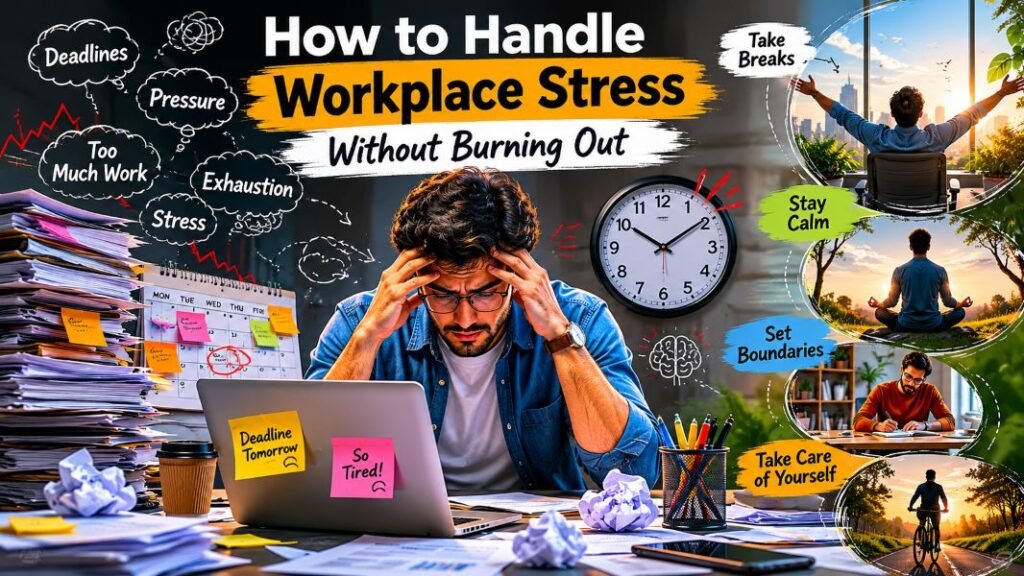
When It May Be Time to Reconsider Your Work Environment
Not all stress can be solved through self-help.
Some workplaces are genuinely unhealthy.
If a workplace constantly damages your mental health despite repeated efforts to cope, it may be necessary to rethink your environment.
Warning signs include:
- Constant humiliation
- Emotional manipulation
- Extreme workload without support
- Lack of respect
- Fear-based management
- Chronic anxiety before work
No salary is worth completely destroying your mental peace and physical health.
Changing jobs is not failure. Sometimes it is self-respect.
Small Daily Habits That Prevent Burnout
Burnout prevention is usually not one big action. It is the result of small daily decisions.
Helpful Daily Practices
- Sleep consistently
- Take short breaks during work
- Avoid multitasking constantly
- Spend time offline
- Exercise regularly
- Practice gratitude
- Keep realistic expectations
- Protect personal time
- Celebrate small achievements
Mental health improves slowly through repetition, not overnight transformation.
Final Thoughts
Work is important. Responsibilities matter. Ambition is natural. But none of these things should come at the cost of your entire emotional well-being.
Many people spend years ignoring stress because they believe they must “stay strong.” But true strength is recognizing when the mind and body need care before serious damage happens.
A balanced life does not mean avoiding hard work. It means learning how to work without losing your peace, identity, relationships, and health in the process.
Success feels very empty when achieved through constant exhaustion.
Take care of your mind while building your career. Both deserve equal attention.